
39 Walker Street
New York, NY 10013
+1 (212) 727 2050
bortolamigallery.com
Vian Sora
Tepe Gawra
6 March – 18 April 2026
BORTOLAMI
Bortolami is pleased to announce Tepe Gawra, the first solo exhibition at the gallery by acclaimed painter Vian Sora (b. 1976, Baghdad, Iraq; based in Louisville, USA). Sora is best known for vivid paintings in which pools of aqueous color jell into expressive compositions beset with sharp contours and subtle gradient shifts. Though her imagery is non-representational, there are fragments of figuration and text embedded in her works which allude to mythologies and histories of the ancient and contemporary world. It is the artist’s first exhibition of new works since opening her traveling museum survey show last year.
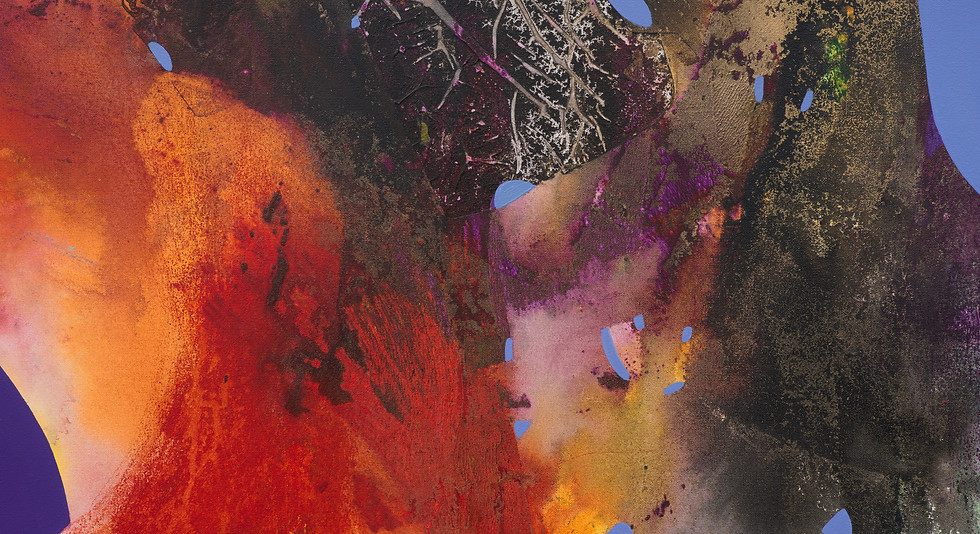
Sora’s works begin with pours of liquid acrylic on canvases placed face up. She introduces pigments to the medium, mixing them so that they bloom into streams of deeply saturated chroma. While still wet, they spread like hot magma across the surface of the painting. This process is executed in dozens of layers, achieving a vast range of surfaces from dense, crystalline textures to watery, atmospheric fields of color. Sora then applies oil paints, creating freehand, hard-edged shapes resembling a broken cuneiform or Arabic calligraphy.
This exhibition takes its title from the ancient Mesopotamian settlement, Tepe Gawra, located in what is present-day Iraq; Sora visited the site as a student. Excavations of Tepe Gawra have uncovered objects from 4900-4000 BCE which are adorned with lapis lazuli, the rich blue historical pigment also known as ultramarine. As it was sourced from over 1500 miles east of Mesopotamia, it is evidence of one the earliest known trade routes and a marker of cultural exchange in the region.
Just as the advanced human society migrated outward from the so-called “cradle of civilization,” so too, did the export of ultramarine blue from Central Asia into Europe. During a residency last year in Umbria, Italy, Sora was reminded of the impact of lapis lazuli on the Western art canon. It was famously used in works by Giotto, Piero della Francesca and others whose patrons could finance even the sparest use of blue: mined in Afghanistan, processed into pigment and imported through Venice.
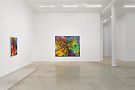
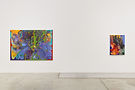
In Tepe Gawra, Sora has used lapis lazuli throughout each work, both in the beginning stages of acrylic staining and the uppermost layers of oil in her compositions. In Tigris refrain, Sora recalls scenes from childhood visits to her grandfather’s home in Baghdad on the banks of the river. In Inflorescence, a deep ultramarine field envelops oranges, violets and greens emerging into coral-like patterns. And in Streams of lazouli, angular punctuations of blue surround a tempestuous palette of organic yellows, greens and violets, made as Sora contemplated the increasingly disconcerting attitudes within the U.S. towards immigrant communities such as hers. Scarlet, a limited palette painting with metallic hues and subtle blues overlaid with crimson red, reflects a new direction for the artist – an emphasis on texture and objecthood in her painting and a nod to the artist’s more sculptural leanings. The exhibition’s largest work, Tamarisk (Purification), is over 12 feet in length. Its expansive horizontality and frenzied mark making disarm as much as its cool palette of violets, greens, and yellows soothe. It is not a depiction of creation nor destruction but an encapsulation of both.
Bortolami is pleased to announce Tepe Gawra, the first solo exhibition at the gallery by acclaimed painter Vian Sora (b. 1976, Baghdad, Iraq; based in Louisville, Kentucky). Sora is best known for vivid paintings in which pools of aqueous color jell into expressive compositions beset with sharp contours and subtle gradient shifts. Though her imagery is non-representational, there are fragments of figuration and text embedded in her works which allude to mythologies and histories of the ancient and contemporary world. It is the artist’s first exhibition of new works since opening her traveling museum survey show last year.
Sora’s works begin with pours of liquid acrylic on canvases placed face up. She introduces pigments to the medium, mixing them so that they bloom into streams of deeply saturated chroma. While still wet, they spread like hot magma across the surface of the painting. This process is executed in dozens of layers, achieving a vast range of surfaces from dense, crystalline textures to watery, atmospheric fields of color. Sora then applies oil paints, creating freehand, hard-edged shapes resembling a broken cuneiform or Arabic calligraphy.
This exhibition takes its title from the ancient Mesopotamian settlement, Tepe Gawra, located in what is present-day Iraq; Sora visited the site as a student. Excavations of Tepe Gawra have uncovered objects from 4900-4000 BCE which are adorned with lapis lazuli, the rich blue historical pigment also known as ultramarine. As it was sourced from over 1500 miles east of Mesopotamia, it is evidence of one the earliest known trade routes and a marker of cultural exchange in the region.
Just as the advanced human society migrated outward from the so-called “cradle of civilization,” so too, did the export of ultramarine blue from Central Asia into Europe. During a residency last year in Umbria, Italy, Sora was reminded of the impact of lapis lazuli on the Western art canon. It was famously used in works by Giotto, Piero della Francesca and others whose patrons could finance even the sparest use of blue: mined in Afghanistan, processed into pigment and imported through Venice.
In Tepe Gawra, Sora has used lapis lazuli throughout each work, both in the beginning stages of acrylic staining and the uppermost layers of oil in her compositions. In Tigris refrain, Sora recalls scenes from childhood visits to her grandfather’s home in Baghdad on the banks of the river. In Inflorescence, a deep ultramarine field envelops oranges, violets and greens emerging into coral-like patterns. Scarlet, a limited palette painting with metallic hues and subtle blues overlaid with crimson red, reflects a new direction for the artist – an emphasis on texture and objecthood in her painting and a nod to the artist’s more sculptural leanings. The exhibition’s largest work, Tamarisk (Purification), is over 12 feet in length. Its expansive horizontality and frenzied mark making disarm as much as its cool palette of violets, greens, and yellows soothe. It is not a depiction of creation nor destruction but an encapsulation of both.

––––––––––––––––––––––––––––––––––––––––––––––––––––––––––––––––––––––––––––––––––––––––––––––––––––––––––––––––––––––––––––––––––––––––––––––––––––––––––––––––––––––
Vian Sora, Tamarisk (Purification), 2025-26
Oil, acrylic and pigments on canvas, 75 x 145 in (191 x 368 cm)
Sold


Vian Sora in her studio, Louisville, Kentucky, 2025

––––––––––––––––––––––––––––––––––––––––––––––––––––––––––––––––––––––––––––––––––––––––––––––––––––––––––––––––––––––––––––––––––––––––––––––––––––––––––––––––––––––
Vian Sora, Erratics III, 2025
Oil, acrylic and pigments on canvas, 40 x 30 in (102 x 76 cm)
Sold


––––––––––––––––––––––––––––––––––––––––––––––––––––––––––––––––––––––––––––––––––––––––––––––––––––––––––––––––––––––––––––––––––––––––––––––––––––––––––––––––––––––
Vian Sora, Belladonna on Wet Lime, 2025
Oil, acrylic and pigments on canvas, 60 x 84 in (152 x 213 cm)
$55,000. Please inquire for current availability


––––––––––––––––––––––––––––––––––––––––––––––––––––––––––––––––––––––––––––––––––––––––––––––––––––––––––––––––––––––––––––––––––––––––––––––––––––––––––––––––––––––
Vian Sora, Streams of lazouli, 2025
Oil, acrylic and pigments on canvas, 75 x 90 in (191 x 229 cm)
Sold


––––––––––––––––––––––––––––––––––––––––––––––––––––––––––––––––––––––––––––––––––––––––––––––––––––––––––––––––––––––––––––––––––––––––––––––––––––––––––––––––––––––
Vian Sora, Scarlet, 2026
Oil, acrylic and pigments on canvas, 85 x 78 in (216 x 198 cm)
Sold

––––––––––––––––––––––––––––––––––––––––––––––––––––––––––––––––––––––––––––––––––––––––––––––––––––––––––––––––––––––––––––––––––––––––––––––––––––––––––––––––––––––
Vian Sora, Tigris refrain, 2026
Oil, acrylic and pigments on canvas, 60 x 48 in (153 x 122 cm)
Sold


––––––––––––––––––––––––––––––––––––––––––––––––––––––––––––––––––––––––––––––––––––––––––––––––––––––––––––––––––––––––––––––––––––––––––––––––––––––––––––––––––––––
Vian Sora, Inflorescence, 2025
Oil, acrylic and pigments on canvas, 60 x 48 in (153 x 122 cm)
Sold


––––––––––––––––––––––––––––––––––––––––––––––––––––––––––––––––––––––––––––––––––––––––––––––––––––––––––––––––––––––––––––––––––––––––––––––––––––––––––––––––––––––
Vian Sora, Celestial capsule, 2026
Oil, acrylic and pigments on canvas, 85 x 78 in (216 x 198 cm)
$60,000. Please inquire for current availability


––––––––––––––––––––––––––––––––––––––––––––––––––––––––––––––––––––––––––––––––––––––––––––––––––––––––––––––––––––––––––––––––––––––––––––––––––––––––––––––––––––––
Vian Sora, Citizen 2, 2026
Oil, acrylic and pigments on canvas, 85 x 78 in (216 x 198 cm)
Sold


Vian Sora in her studio, Louisville, Kentucky, 2025
— 1976: Vian Sora is born in Baghdad, Iraq
— 1980-1988: Iran–Iraq War
— 1990-1991: Saddam Hussein invades Kuwait, leading to the Gulf War
— 1991: At 15, Sora is struck by a car and left unable to walk for three years. During a surgery, she flatlined and was resuscitated. During her rehabilitation she focuses on drawing and
painting.
— 1994: On her high school graduation day, Sora’s Kurdish father, a gallerist and antiques dealer, is kidnapped at work. He and other minority business owners are tortured by Saddam Hussein’s regime. He is released 4 months later.
— 1996–2000: Sora attends Al Mansour University College in Baghdad; visits Tepe Gawra and various ancient Mesopotamian sites during this period
— 2001: Sora’s opens her first solo exhibition at Inaa Art Gallery in Baghdad, a notable space bombed in 2005.
— 2003: The US-led invasion of Iraq marks the beginning of the Iraq War
— 2003-2006: Sora joins the Associated Press Baghdad Bureau
— Spring 2005: A caravan with Sora and colleagues is intercepted by insurgent militias and several of her colleagues are killed
— Fall 2005: The Associated Press Baghdad Bureau offices are bombed
— 2006-2008: Iraqi Sectarian Civil War
— 2006–2009: Sora relocates to Istanbul, then seeks refuge for her family in Dubai after her uncle is kidnapped and killed; family home in Baghdad is forcibly taken
— 2009: Sora arrives to the U.S. and re-settles in Louisville, Kentucky
— 2016: Sora makes her first non-representational abstract painting
— 2018: The Speed Art Museum in Louisville acquires a painting, Sora’s first U.S. museum acquisition
— June 2025: Sora’s first museum survey exhibition, Outerworlds, opens at the Santa Barbara Museum of Art, California
— Summer 2025: Sora attends a residency in Umbria where she begins research and smaller studies for the Tepe Gawra series
— Fall 2025: Sora returns to her studio in Louisville, KY, beginning the canvases of the Tepe Gawra series
From Vian Sora, January 2026:
This exhibition emerged not from planning but from necessity, a convergence shaped by the compression of the last year, when time, attention, and responsibility collapsed into the work itself. What has surfaced feels less like a discrete body of work and more like a threshold, formed under pressure, accumulated rather than designed, insistent rather than resolved.
That pressure has a longer duration.
In 1991, during the first week back at school in Baghdad after the bombing of Iraq had halted, I was struck by a car. The accident left me unable to walk for three years. During that time, while moving on crutches and undergoing multiple surgeries, a friend of my mother’s gave me a book by Aldous Huxley. In an essay titled “The Best Picture,” Huxley recounts how a British artillery officer in World War II refused to shell the Italian town of Sansepolcro in order to spare Piero della Francesca’s Resurrection. A town survived because someone carried an image strongly enough to interrupt force.
The book was given as an act of care, but also of conviction. One day you’re going to visit that town, she said, directing a future toward a body that could not yet follow it.
Decades later, through a summer fellowship in Italy devoted to painting and sustained looking, I arrived in Sansepolcro. When I returned to the studio that day, I began the first work in this series.
There is a persistent tendency to read my work through fixed narratives, through history as event and identity as category. While that history is undeniably present, it does not define the limits of engagement. These paintings demand to be understood within the living field of contemporary practice, in dialogue with artists working now, across New York and beyond, who are similarly negotiating questions of abstraction, materiality, structure, collapse, and the politics of attention. This work belongs to the present tense.
Origin, here, is not biographical decoration but operational force. It functions before image and beyond explanation, not illustrated but exerted. Origin behaves less like memory and more like pressure, persistent, shaping form without announcing itself, carried forward rather than resolved. Within that pressure lives a visual vocabulary older than contemporary language, one rooted in Mesopotamia, not as reference or citation, but as foundational logic. Mark, weight, repetition, symbol. These impulses predate naming. They are not reproduced but continued, morphed through time, migration, and the present.
This body of work took further shape during a summer 2025 fellowship in Umbria, in close proximity to early Renaissance frescoes. There, I became acutely aware of how
color once functioned structurally. Lapis lazuli carried obligation. Reds and corals were materially specific, bound to mineral, labor, and time.
These were not expressive choices but physical commitments, often paired with gold to stabilize space and belief simultaneously. Those tones became the chromatic foundation of this exhibition, not as homage, but as a way of thinking about how matter accumulates meaning through duration.
The studio process begins at speed. Paint is pushed, destabilized, allowed to exceed control. Then the tempo shifts. The work slows into sustained, exacting refinement. Layers are erased and reasserted. Paths appear, dissolve, and reconfigure. Surfaces oscillate between collapse and precision. What appears immediate is the result of prolonged negotiation, faces shifting under the pressure of time, identity refusing to settle into singular form.
The work is ultimately concerned with transformation. Matter changes state. Form passes through instability into another condition. That logic extends beyond material. It informs how the paintings hold time, how they refuse fixed readings, and how they remain open to reconfiguration without dissolving into chaos. Surfaces remember and forget. The pressure of duration becomes visible.
Empathy, in this context, is not sentiment but attentiveness, the discipline of staying with complexity, opacity, and forms that do not offer quick recognition. These works ask for duration. They resist capture and instead construct a shared field of concentration between object and viewer, a space where faces shift not as instability but as truth, where time pressure becomes generative rather than destructive.
The paintings operate across multiple dimensions. Depth is optical, but also temporal and cognitive. Layers carry traces of cultural loss alongside cultural gain, not through translation or simplification, but through accumulation. The surfaces refuse immediacy. They require sustained engagement. They ask what remains after matter changes state, after paths lose definition, after control and instability learn to coexist, after a face has been seen, erased, and seen again.
These works do not propose stable routes or fixed identities. They operate through interruptions, erasures, and shifting trajectories. They hold structure inside disorder long enough for a position to form, not a position given to the viewer, but one that must be found, earned through attention, through the willingness to remain present as faces shift and time exerts its pressure. The work does not instruct. It holds space. It waits.
BORTOLAMI
Vian Sora (b. 1976, Baghdad, Iraq; based in Louisville, Kentucky) has received increased recognition and exposure from recent exhibitions and museum acquisitions in the U.S. and Middle East. Her first museum survey exhibition, Outerworlds, debuted in June 2025 at the Santa Barbara Museum of Art in California, which was curated by James Glisson. The show traveled to the Speed Art Museum in Louisville, Kentucky in October 2025, which was curated by Tyler Blackwell. The exhibition opens at its final venue, Asia Society Texas Center in Houston, Texas on April 15, 2026, curated by Owen Duffy.
Sora has exhibited at Sharjah Biennial, Sharjah, UAE; Contemporary Arts Center, Cincinnati; IMOGA Istanbul Museum of Graphic Art, Turkey; the KMAC Triennial, Louisville, Kentucky; Grinnell Museum of Art, Iowa, and other venues.
Works by Sora are included in the permanent collections of the Speed Art Museum, Louisville, Kentuclky; Baltimore Museum of Art; Dar El Cid Museum, Kuwait City, Kuwait; KMAC Museum, Louisville, Kentucky; Santa Barbara Museum of Art; MCA San Diego; Grinnell College Museum of Art, Iowa; Ministry of Culture Contemporary Collection, Baghdad, Iraq; the Pizzuti Collection, Columbus, Ohio; the Shands Collection, Louisville, Kentucky, and the Making their Mark Foundation, among others.

39 Walker Street
New York, NY 10013
+1 (212) 727 2050
bortolamigallery.com